By Local Democracy Reporter Peter Davison
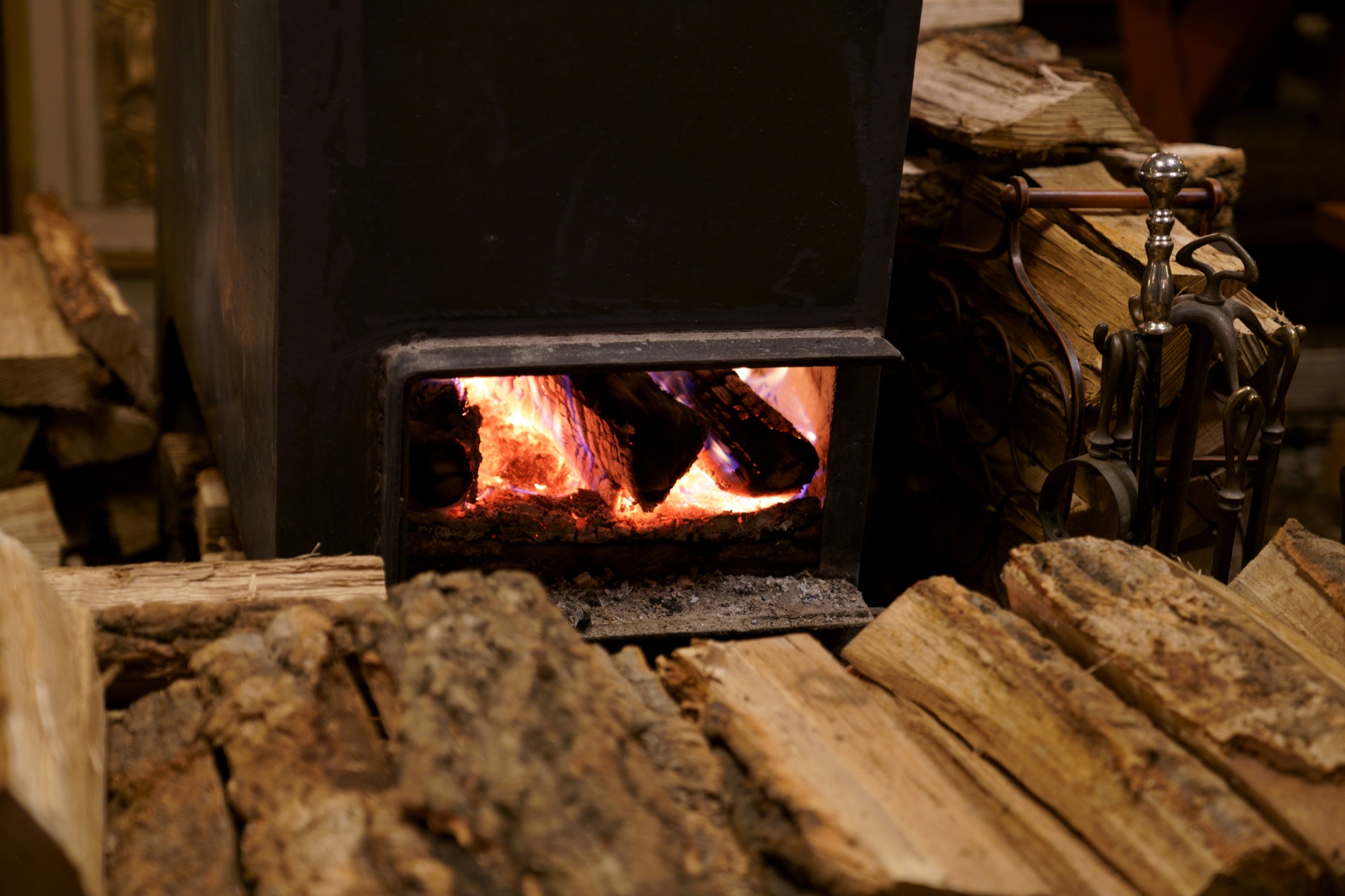
Wood burners and coal fires could face restrictions in Wiltshire in future after council officers refused to give an “unequivocal” assurance that they would never be banned.
Officers stressed there was currently no policy to ban them, but said new monitoring had detected increases in harmful fine particulate pollution during periods when wood burners are used.
Conservative Cllr Nick Holder asked Wiltshire Council’s Environment Select Committee on Thursday 19th November, “Does that mean we’re going to be talking about introducing a policy of banning wood burners in Wiltshire, which many urban authorities have done in the country?”
Environment director Sarah Valdus replied, “No, we’re not looking at a policy of banning. What we’re looking at is the impact of wood burners on the PM2.5.
“Some of the PM2.5 work that has come up has shown that there are spikes and increases during the seasons when people start using things like wood burners.”
But when Cllr Holder asked for an “unequivocal” assurance that there was no intention to ban wood burners and coal fires, Ms Valdus said, “I can’t say there’s ever an unequivocal no because we’re only just starting looking at the data.
“So, at the moment, we’re on data research so that we can see what the data is. And is there any links between air quality and wood burner usage? That is as far as we’re going at this time.”
PM2.5 is fine particulate matter made up of airborne particles measuring 2.5 micrometres or less, small enough to penetrate deep into the lungs and potentially enter the bloodstream.
Council monitoring has suggested PM2.5 pollution can be influenced by factors including traffic, domestic solid-fuel burning, weather and pollution travelling from further afield.
Cllr Paul Sample, Liberal Democrat cabinet member for environment, climate and waste, highlighted the particular difficulty of restricting solid fuels in rural Wiltshire, where some communities are off the gas grid.
“There are villages in existence where residents wouldn’t be able to heat their homes if it weren’t for the fact that they were able to use those fuels,” he said.
“A lot of the people in those circumstances are on low incomes. So there is a high level of fuel poverty as well that we’re talking about.”
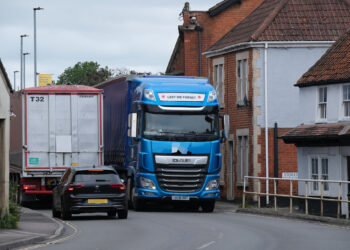
The debate came as Wiltshire’s longstanding problems with nitrogen dioxide pollution caused by traffic continue to improve.
Liberal Democrat Cllr Trevor Carbin suggested that was largely because vehicles had become cleaner rather than because of dramatic council action.
“We haven’t done anything dramatic about this,” he said. “It’s external factors which have led to this.”
The council’s annual report found no monitoring location exceeded the national annual mean NO2 objective of 40 micrograms per cubic metre for a second consecutive year, with several Air Quality Management Areas now being considered for removal.
However, councillors warned that cleaner vehicles did not mean pollution had disappeared. Cllr Carbin pointed out that even electric cars produce particulate pollution through tyre and brake wear.
The committee requested further information on the health impacts of poor air quality and a further report on Wiltshire’s revised air quality strategy in spring 2027.
Send us your news!
Help us keep your community connected and informed.
Do you have an interesting story you would like to share? Have you seen something you feel needs more attention? Get in touch with a reporter today!
✉️ Click here to get in touch with a reporterSupport White Horse News
Help us keep your community connected and informed.
Local news is under pressure more than ever. Choose a monthly subscription or a one-off donation to support independent reporting in White Horse News.