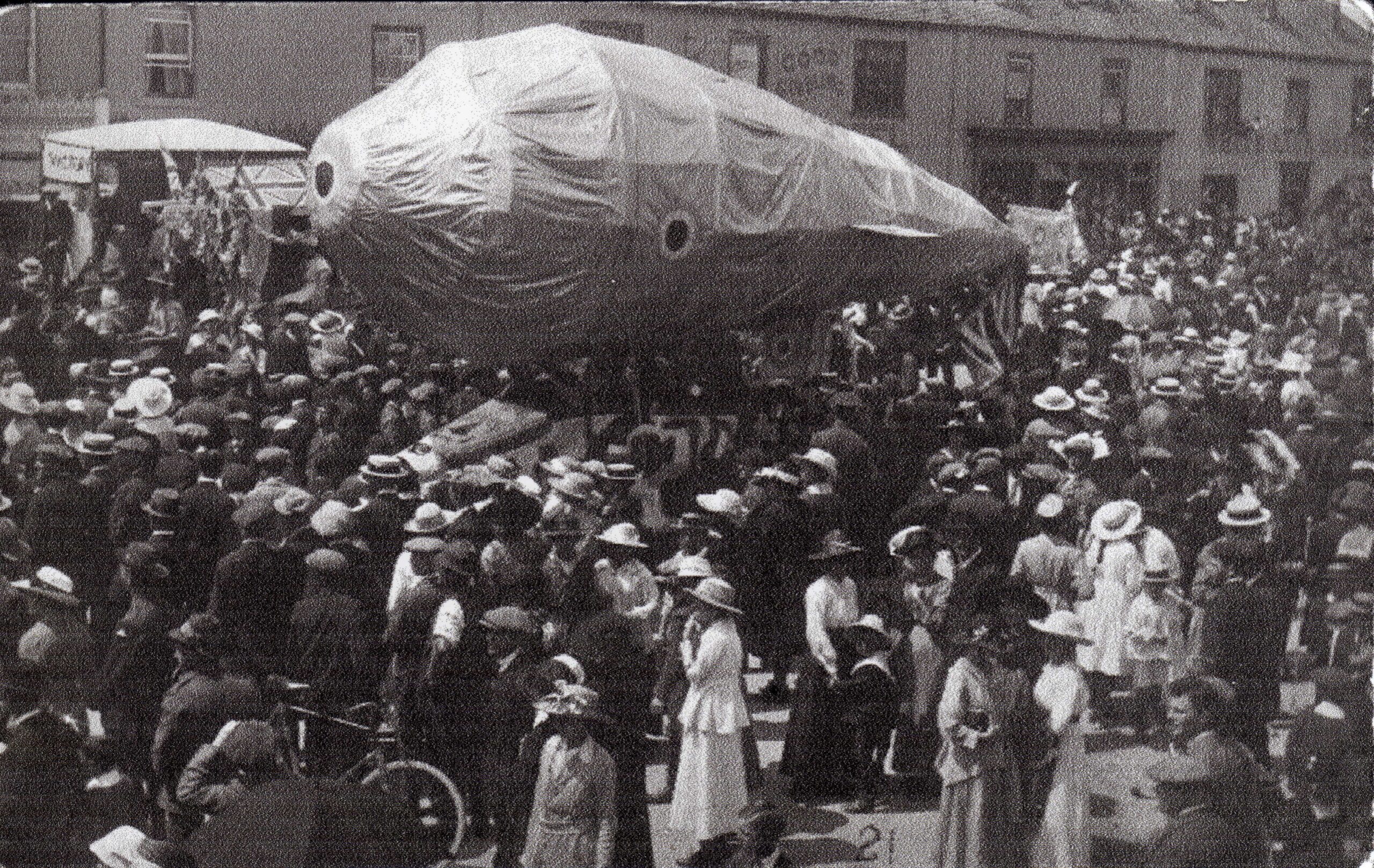
For most of the first half of the last century, as spring turned into summer, Westbury would stage its annual carnival and fete to raise funds for the town’s cottage hospital off Haynes Road.
The idea was first suggested in 1905 as the hospital needed a new emergency ward. Two years before, the local red, white and blue football club had given the proceeds of their carnival to the hospital, so the idea was not completely new. Planning started early in the year with the main event to take place on Whit Tuesday.
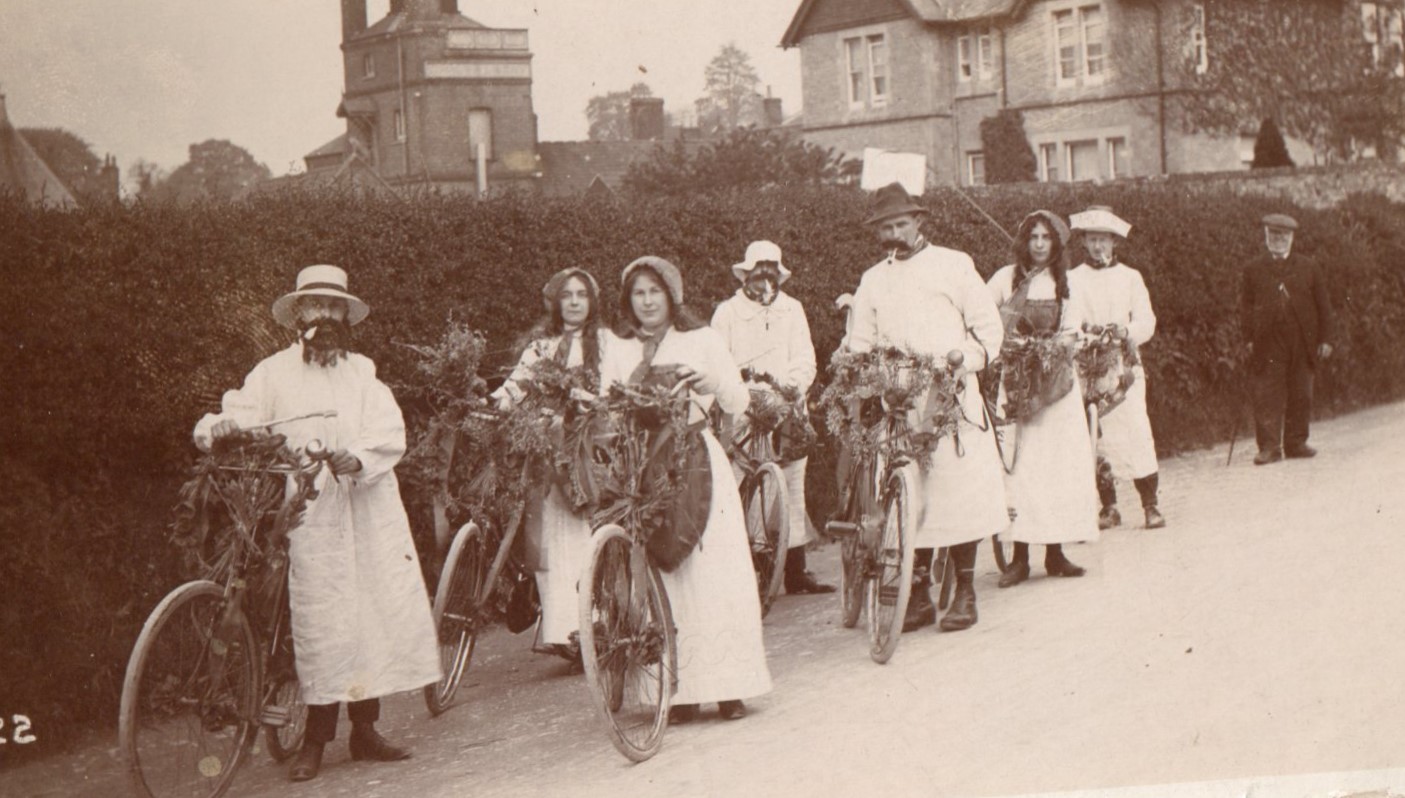
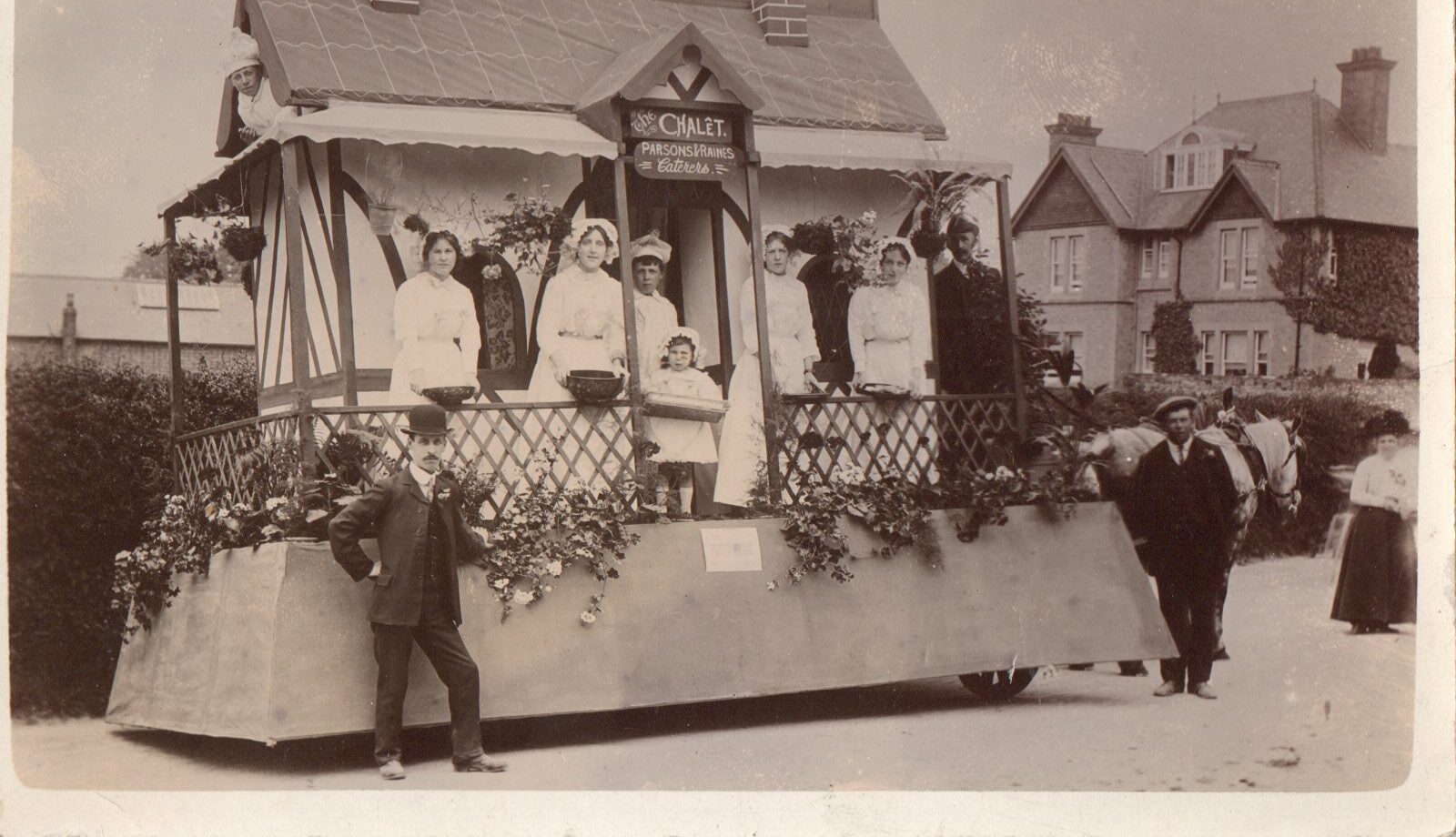
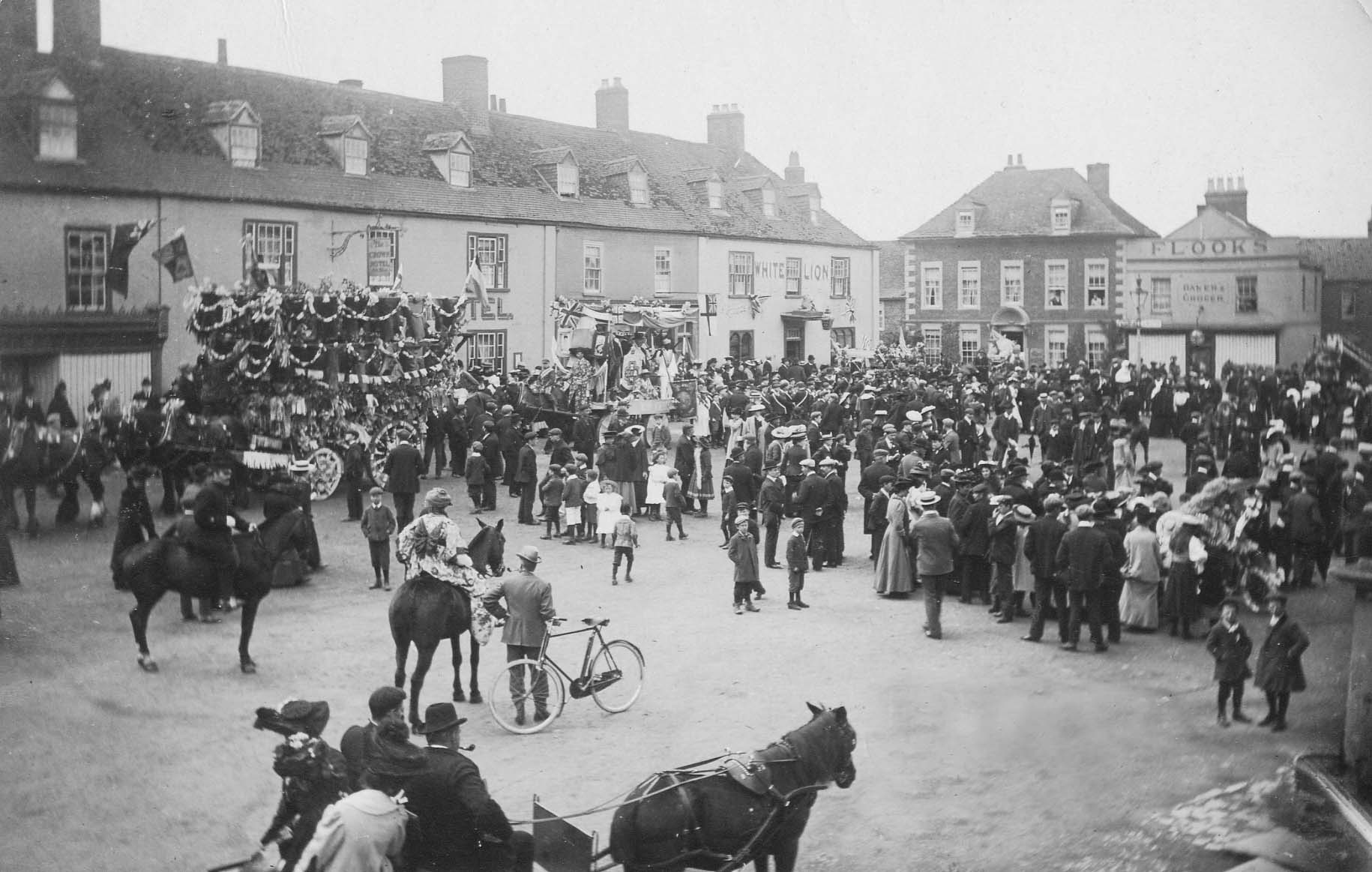
As the day drew near, interest was drummed up by a barrel organ touring the nearby villages and collecting donations. On the day, a procession formed up in the Market Place where more than 60 entrants were judged. These included two motor cars, entries from local firms showing off their skills and residents in fancy dress. They paraded through the town to the Leighton Cricket ground, where a series of comic sports events took place including a football match, a fancy dress race and a ladies’ cycle race. Fair ground attractions were also to be found.
In the evening, William Laverton opened the grounds of Leighton House and more entertainment was provided. The end of proceedings was a grand firework display.
The day was judged a success. Enough money was raised to for the hospital extension, and it was suggested the carnival should be held annually.
The following year additional attractions included a swimming display at the baths. Prizes were awarded for the best house and business decorations. Westbury Iron Works displayed a model blast furnace on its cart and GWR provided cheap train tickets, so visitors came from as far away as Bath. This time the fete was held at Grassacres field with music, sports and fairground stalls.
Memories were preserved by Henry Till’s photographs which could be bought as postcards from his shop in Warminster Road. Reports from 1908 said nearly 5,000 people paid to enter the fete.
The next year, Leighton Park was again opened for the evening with music, dancing and fireworks. The grounds were lit with fairy lamps and coloured glass lanterns, although rain on Whit Tuesday meant it was postponed to the following Saturday. Another postponement occurred in 1910, due to the death of King Edward VII.
By 1914, the carnival was in its 10th year and continuing to grow in popularity. Fancy dress entries reflected the preoccupations of the times. Children dressed as flowers or characters from nursery rhymes. Advertisements were reproduced. New technologies such as flying machines were celebrated. “Suffragettes” made an appearance and the newly formed Boy Scouts began to take part.
Early in 1915, with the Great War raging, the decision was made to abandon plans for the usual carnival, although the organising committee were hopeful that the situation might improve and something could happen later in the year. However, for the next four years there was no carnival. But in 1919 a record number of people attended the revived event and over the next two decades and beyond Westbury continued to look forward to its annual carnival.
Do you have photos or memories of Westbury’s carnival? Westbury Museum would love to hear them. Contact the museum on info@westburyheritagesociety.org.uk
Send us your news!
Help us keep your community connected and informed.
Do you have an interesting story you would like to share? Have you seen something you feel needs more attention? Get in touch with a reporter today!
✉️ Click here to get in touch with a reporterSupport White Horse News
Help us keep your community connected and informed.
Local news is under pressure more than ever. Choose a monthly subscription or a one-off donation to support independent reporting in White Horse News.