A LOCAL health professional with over 20 years’ experience says he has major concerns that the newly-approved Westbury incinerator could have adverse effects on the health of the students at the nearby Fairfield Farm College (FCC).
 In a letter to the local MP Andrew Murrison, the health professional (who wishes to remain anonymous) says that there are many students at FCC who have conditions such as Down syndrome, which makes them more sensitive to air pollution, and that the air quality assessments for the incinerator have not taken this into account.
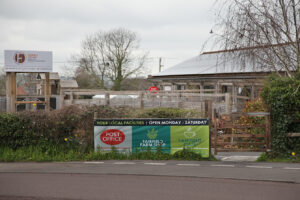
FCC is a specialist college in Dilton Marsh for students with learning difficulties that has long standing ties to the village as the students get hands on experiences working at college owned properties such as two cafes, a shop, a post office, an animal park, and a pub.
The newly-approved incinerator, fiercely opposed by local people but approved on appeal, will be built on the Northacre Industrial Estate in Westbury which is just over a mile away from the college.
The letter reads, “I have grave safeguarding concerns for the vulnerable students of FFC. According to the incinerator application’s wind rose analysis, a wide variety of pollutants will be blown the short, one mile distance to FFC for 25% of the time. Despite this, FFC is not mentioned in the health risk assessment. The incinerator assessment considers the human health impact of emissions on an adult hypothetical maximum exposed individual, however it does not include paediatric, or special case individuals with predisposing health issues, who are more sensitive to air pollution.
“In following the Environment Agency risk assessment, the document identifies the hazard(s), evaluates the dose/response, quantifies the exposure, then characterises the risk. But only for the healthy adult population. A large cohort of the student body at FFC have Down syndrome, but sensitivity to air pollution is not limited to that specific diagnosis of vulnerable person.
“FFC is ideally placed in a quiet village, with currently background air pollution levels that minimise the likelihood that air pollution will be the reason their vulnerable cohort will succumb to respiratory complications. If the cumulation of the air pollution from the incinerator is allowed to happen, that attempt to mitigate air pollution risk for their students will be destroyed.”
“It is my belief that as Wiltshire Council is the statutory body in charge of the care and wellbeing of vulnerable adults and children, they have a legal safeguarding responsibility to ensure these members of society are not exposed to harm. Do these students not have enough barriers in their life?
“Evidence shows that vulnerable groups, such as young children, the elderly and those with long-term health conditions are at a disproportionately high risk from poor air quality, as stipulated on the UK Government’s own office for health improvement and disparities website.”
Impact of more developments in Dilton Marsh
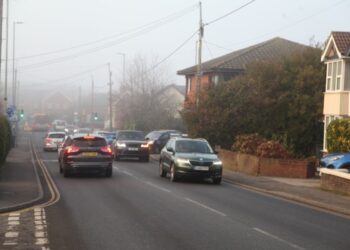
In the letter, concerns were also raised over the potential knock-on effect of air pollution caused by traffic and its effect on FCC students following two proposals by developers that would see 162 homes built in the village.
The letter continues, “FFC is the only residential specialist college for students with learning disabilities in the whole of Wiltshire; it is unique. It is outrageous to position a waste incinerator right on their doorstep, and irresponsible to apply to develop 100+ houses, knowing the traffic will worsen the air quality.
“As a health professional I have worked with and witnessed the devastating consequences of respiratory infections and disease for over 20 years. I have urged the planning officer not to allow planning permission for all the reasons I have stated, and invoke a moratorium on allowing any further development in the Dilton Marsh vicinity.
“These two developments will create an undeniable increase in air pollution from the 200+ cars that they will inevitably bring, and suddenly there is a far greater magnitude of air pollution afflicting those who can least afford to be exposed to it.”
The letter has been sent to Wiltshire Council, various Secretaries of State and Ministers of State, and two chairs of select committees. It was also discussed by Westbury Town Council at their extraordinary meeting of the council on Monday 27th March.
Send us your news!
Help us keep your community connected and informed.
Do you have an interesting story you would like to share? Have you seen something you feel needs more attention? Get in touch with a reporter today!
✉️ Click here to get in touch with a reporterSupport White Horse News
Help us keep your community connected and informed.
Local news is under pressure more than ever. Choose a monthly subscription or a one-off donation to support independent reporting in White Horse News.